
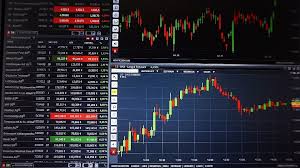
Understanding Forex Trading Systems: A Comprehensive Guide
The world of forex trading is vast and ever-evolving, offering countless opportunities for traders. At the heart of this market are forex trading systems, tools that can help manage trades, analyze market conditions, and make informed decisions. In this article, we will delve into the intricacies of various forex trading systems, their functionalities, advantages, and how you can select the ideal one that fits your trading style. For more insights, visit forex trading systems fxtrading-broker.com.
What is a Forex Trading System?
A forex trading system is a set of rules that dictate when to enter or exit trades. It can be based on technical analysis, fundamental analysis, or a combination of both. The primary goal of any forex trading system is to maximize profits while minimizing risk. These systems can be manual, where a trader decides when to buy or sell based on their analysis, or automated, where trades are executed based on predefined algorithms and trading conditions.
Types of Forex Trading Systems
Forex trading systems can be broadly categorized into several types:
1. Manual Trading Systems
In manual trading, the trader makes decisions based on market analysis and personal judgment. Traders may use chart patterns, indicators, and market news to guide their trading choices. While manual trading offers flexibility, it also requires a deep understanding of market dynamics and constant attention.
2. Automated Trading Systems
Automated trading systems use algorithms to make trades. These systems can process vast amounts of data quickly, enabling traders to take advantage of market opportunities in real time. Automated trading can reduce emotional biases and human errors common in manual trading. However, it requires proper setup and ongoing monitoring to ensure effectiveness.
3. Expert Advisors (EAs)
Similar to automated systems, Expert Advisors are software tools that execute trades based on pre-determined criteria. They are often used within MetaTrader platforms and can be customized according to the trader’s preferences. EAs can trade around the clock, leveraging opportunities in different time zones.
4. Swing Trading Systems
Swing trading systems involve holding positions for several days or even weeks to capitalize on market swings. This method requires less time commitment than day trading and is ideal for traders who cannot monitor the markets continuously. Swing traders often rely on technical analysis to identify entry and exit points.
5. Scalping Systems
Scalping is a high-frequency trading strategy that involves making numerous trades throughout the day to capture small price movements. Scalping systems require quick decision-making and execution, making them suitable for experienced traders who can handle pressure and volatility.

Advantages of Using Forex Trading Systems
Forex trading systems offer several advantages that can enhance your trading journey:
1. Consistency
By following a predefined set of rules, traders can maintain consistency in their trading approach. This consistency helps reduce emotional trading and improves discipline.
2. Time-saving
Automated trading systems can save traders significant time by executing trades without manual intervention. This allows traders to focus on analysis and strategy development.
3. Backtesting
Many forex trading systems allow for backtesting of trading strategies using historical data. This enables traders to evaluate the effectiveness of their systems before deploying them in live markets.
4. Objective Decision Making
Systems can help eliminate emotional bias from trading decisions. Traders can rely on data-driven insights rather than subjective feelings, leading to more rational decision-making.
5. Risk Management
Most forex trading systems incorporate risk management tools, such as stop-loss orders and take-profit levels, to help protect trading capital and manage risk effectively.
Disadvantages of Forex Trading Systems
While forex trading systems have their benefits, there are also potential downsides to consider:
1. Over-Optimization
Traders may fall into the trap of over-optimizing their systems, tailoring them too closely to historical data. This can lead to poor performance in live trading conditions.
2. Lack of Flexibility

Many systems operate based on rigid rules and may not adapt well to changing market conditions. This inflexibility can reduce effectiveness during unexpected market events.
3. Dependence on Technology
Automated systems can fail due to technical issues, such as server downtime or internet outages. Traders must monitor their systems and have contingency plans in place.
4. Learning Curve
Understanding and implementing forex trading systems can require significant investment in time and effort. Traders need to learn how to use software, interpret signals, and develop strategies, which can be a daunting task for beginners.
Choosing the Right Forex Trading System
When selecting a forex trading system, consider the following factors:
1. Trading Style
Your trading style—for instance, scalping, day trading, or swing trading—will highly influence your choice of a trading system. Ensure that the system you choose aligns with your trading habits and time commitment.
2. Risk Tolerance
Understand your risk tolerance before selecting a trading system. Some systems are more aggressive, while others focus on conservative approaches. Choose one that matches your comfort level with risk and volatility.
3. Performance History
Review the performance history of the trading system. Look for systems with a consistent profit history over various market conditions. However, remember that past performance is not always indicative of future results.
4. User Experience
Consider the user interface and ease of use of the trading system. A complex system may cause frustration and errors, while a user-friendly platform will facilitate a smoother trading experience.
5. Community and Support
Many forex trading systems come with community support, forums, and educational resources. Choosing a system that offers access to a supportive community can help you improve your trading skills and navigate challenges.
Conclusion
Forex trading systems are essential tools that can enhance your trading experience, offering various strategies that cater to different methods and preferences. Understanding the types of systems, their pros and cons, and how to choose the right one can significantly impact your trading success. Remember to continually educate yourself, adapt to market changes, and refine your strategies for the best results in the dynamic forex landscape.