
It stays in your body for about 3-5 hours, but its effects can last longer. Try not to drink caffeine in the afternoon or evening to help you sleep better at night. Caffeine can interfere with how well your anxiety medications work. Research from the early 2000s found that caffeine can mess with different types of psychiatrist medications. Caffeine competes with the same parts in your brain that these medications use.
Treatment for Anxiety, Paranoia and Alcohol Addiction
- It will seek to counteract the sedating effects of alcohol by releasing more excitatory neurotransmitters.
- It may also cause physical symptoms like nausea, indigestion, and muscle aches that can make it difficult to remain active.
- If you suspect that you have an alcohol use problem, effective treatments are available.
- Alcohol changes levels of serotonin and other neurotransmitters in the brain, which can worsen anxiety.
And, by the way, had actually developed OCD (obsessive-compulsive disorder). It’s not just empty words, particularly when we’re talking about anxiety medications. It can intensify the negative side effects of many of these medications, particularly if you take benzodiazepines.
The Risks of Using Alcohol to Relieve Anxiety
- More than 400 milligrams of caffeine per day (around 4-5 cups of coffee) may increase the likelihood of anxiety and panic attacks in people sensitive to it.
- From there, you’ll be able to understand what you need in order to drink less and make realistic goals.
- These beverages promise enhanced alertness, improved concentration, and increased physical performance.
- Your regret from something that happened last night or something that worries you about the future could be significantly exacerbated by the chemical reactions in your brain, causing you to feel anxious.
Cocktails can be a deceptively strong drink, as they often contain multiple shots of alcohol and taste sweet and sugary because of their fruit juice base. This can lead us to drink more than we can handle because the drinks are tasty. This can cause our blood alcohol level to spike, which can lead to more pronounced rebound anxiety once the Sober living home effects wear off.
Anxiety symptoms and caffeine symptoms
Mild amounts of alcohol can overall stimulate GABA, along with relaxation feelings. When a person engages in heavy drinking, it can deplete gamma-Aminobutyric acid. For individuals struggling with anxiety or depression, it’s crucial to seek professional help rather than relying on self-medication through energy drinks or other substances. Mental health professionals can provide evidence-based treatments and coping strategies tailored to individual needs. The long-term effects of regular energy drink consumption on mood are still being studied, but early research suggests cause for concern.
A person with an anxiety disorder is two to three times more likely to develop an alcohol use disorder at some point in their life compared to someone who has never been diagnosed with anxiety. Panic attacks are often misunderstood because they are nearly impossible to control without treatment. The health triggers can be as simple as not feeling as though the person got a deep breath, or getting some slight discomfort in their chest. Once they notice this feeling, those with panic disorder are flooded with uncontrollable anxiety leading to a debilitating panic attack. Several studies examined the relationship between caffeine and anxiety.
- This review broadens the psychiatric perspective on the association between diagnosable alcohol and anxiety disorders to include the psychological/learning and neuroscientific disciplines.
- It doesn’t have to mean you sit like a yogi and meditate, you can do whatever brings you some peace and calm.
- Poor or limited sleep causes grogginess and irritability, which can lead to feelings of depression or anxiety.
- Unfortunately, alcohol doesn’t have the power to erase any underlying stressors or triggers.
- Besides feeling anxious, you may also feel physically sick the next morning (which can also worsen your mental health).
What is Alcohol-Induced Anxiety?
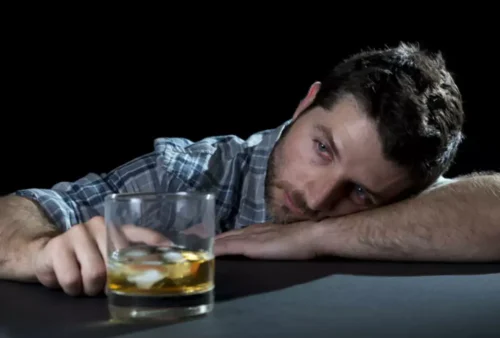
This paradox often leaves individuals trapped in a cycle where they drink to alleviate anxiety but ultimately worsen their symptoms. However, after it has been processed by your body and it is out of your system, you will feel as anxious as you felt before. You may feel even more anxious than before if you took a lot of alcohol because the crash will be harder when the high ends. What happens with many people is that they start drinking more or they drink more often to get that high and ease the anxiety that wears off when sobriety returns.
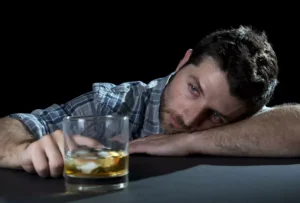
Alcohol is often seen as a can drinking increase anxiety social lubricant, a way to unwind after a long day, or a means to escape from the pressures of life. However, beneath its seemingly benign surface lies a complex relationship with mental health, particularly anxiety. Many individuals who experience anxiety may turn to alcohol for relief, mistakenly believing it will help. While it may provide temporary relaxation, the long-term effects can be detrimental.
Other data also suggest a greater-than-chance association between panic disorder (and perhaps social phobia) and alcoholism (Cowley 1992; Cox et al. 1990; Kushner 1996). Alcohol-induced anxiety is a condition where individuals experience heightened feelings of anxiety or panic during or after consuming alcohol. This reaction can occur due to alcohol’s effects on the brain, disrupting neurotransmitter balance and affecting mood regulation. While alcohol may initially provide a sense of relaxation, its aftermath can lead to increased anxiety levels, especially in individuals prone to anxiety disorders or those consuming large amounts of alcohol.
Venlafaxine is a serotonin-norepinephrine reuptake inhibitor (SNRI) that increases both serotonin and norepinephrine levels in the brain, improving mood and reducing anxiety. Having a substance use disorder can also increase the chance of having an anxiety disorder. Additionally, panic attacks can be triggered because of the effect alcohol has on GABA, another brain chemical that normally has a relaxing effect. Anxiety disorder symptoms can disrupt a person’s life, making it difficult to work, participate in social events, and maintain relationships. Society would have us believe that there’s no better way to unwind after a long day than by drinking a glass of wine, cold beer, or sipping your go-to liquor.