

Accurate reporting of this income ensures transparency and compliance with tax regulations. Utilizing advanced accounting software can simplify this process by categorizing and tracking income from multiple property management bookkeeping properties, minimizing errors and discrepancies. Property accounting is a fundamental aspect of effectively managing property finances. It encompasses various tasks such as tracking financial transactions, analyzing data trends, and generating comprehensive reports for informed decision-making. Central to property accounting is the chart of accounts, which categorizes income and expenses, facilitating organized financial data management and simplified analysis processes.
Automate Your Way to Success: Mastering Accounting for Short-Term Rentals
Avoid adding unnecessary accounts and consolidate where possible to simplify financial management. Budgeting involves creating a plan for your income QuickBooks and expenses over a specific period of time, while forecasting involves predicting future income and expenses based on past performance. Regularly reconcile your bank statements with your accounting records to ensure accuracy. Identify any discrepancies and rectify them promptly to maintain financial integrity. In property management, it is important to track the depreciation of properties and other assets for tax purposes. Accounts payable refers to the money your business owes to vendors and suppliers for goods or services received.
- Expenses refer to the costs incurred by a property management company in the course of operating and maintaining properties.
- For property managers, accurate accounting is essential for staying compliant, minimizing tax liability, and avoiding penalties.
- Set up a regular reporting schedule and be sure the numbers are checked thoroughly on a regular basis.
- We used our advanced review methodology to evaluate top solutions for single-building owners and large investors with thousands of units.
- Your chart of accounts is the different categories that you record your transactions under such as assets, liabilities, income, expenses, and equity.
- This practice can provide accurate insights into the amounts owed to clients and the management fees.
What are some common mistakes made in Property Management Accounting?
Financial reporting and analysis play a crucial role in property management. Cash basis accounting, or the cash accounting method, recognizes revenue and expenses when cash is received or paid. This simple method suits smaller property management businesses or individuals managing their properties. A detailed chart of accounts is fundamental for accurate financial reporting and effective expense tracking. It categorizes all financial transactions, facilitating clear and organized financial records. Budgeting for maintenance and improvements ensures that properties retain their value and remain attractive to tenants.
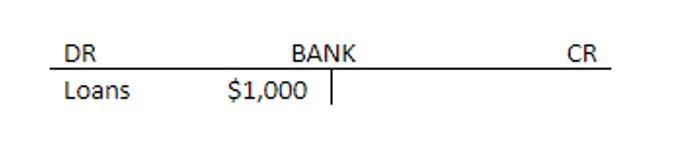
Ensure Comprehensive Record Keeping

This method is suitable for smaller property management businesses with minimal transaction activity. However, single-entry bookkeeping may not provide a comprehensive view of your property management finances and may not be suitable for larger or more complex businesses. Implementing an effective property management accounting system involves several essential steps. This step-by-step guide will walk you through setting up your accounting system, from establishing separate business accounts to regularly reconciling accounts and generating financial reports. Most property managers use cash-basis accounting, however, it is important to avoid losing track of revenue and expenses. Property management tools and software can be extremely useful in monitoring all incoming and outgoing funds.
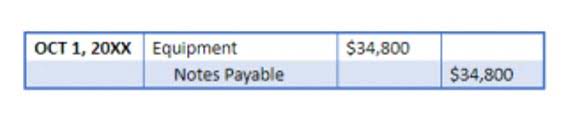
Leveraging Clearing for Efficient Property Management Accounting
- At Invensis, we offer tailored property management accounting services designed to address the complexities of businesses irrespective of their size.
- A top payment portal also provides a record of previous payments and allows you to accept rental applications and other fees directly online.
- This means it is taxed at the ordinary income tax rate, rather than a lower capital gains rate.
- Again be mindful of any local and state guidelines, and be sure to accurately track residents with waived fees or late payments.
- We reconcile your accounts, label incoming transactions, streamline your accounts payable process, and more.
- This guide introduces the essential steps you need to keep your books in order, including how to track and categorize your financial activities and what records to save for tax purposes.
Those managing larger portfolios may benefit from Buildium, Rent Manager, or Hemlane, which combine accounting with property management tools. A tailored COA should reflect unique operations, such as rental income, management fees, and maintenance costs, making financial statements more meaningful. Yes, QuickBooks allows property management firms to set up a customized chart of accounts for rental properties, facilitating detailed tracking of all financial transactions. This software is particularly adept at handling the multifaceted nature of property management finances, from tenant rent payments to property maintenance costs. Wave offers free accounting software for small businesses, making it perfect for independent property managers or small firms. It includes invoicing, expense tracking, and financial reporting features, and it also supports integrations with banks to streamline property accounting processes.

Best General Accounting Software for Property Management
Property management accounting is a specialized field that involves managing the financial aspects of owning and operating rental properties. It includes tasks such as bookkeeping, collecting rent payments, tracking expenses, and preparing financial statements. Accurate accounting is essential for property managers to make informed decisions about their business and ensure compliance with tax laws and regulations. Hemlane’s sophisticated accounting features are designed to ease the complex tasks of property management. Whether you are handling security deposits, managing payables, or ensuring compliance with tax obligations, Hemlane’s software streamlines every aspect of property management accounting. It is essential for property managers to report all rental income received, including rent payments, late fees, and other tenant charges.
Additional Revenue Streams
We adapt to your needs, and scale up or down based on how many units you manage, costing no more than doing it in-house. Many businesses struggle with integrating new systems into their existing workflows, which creates inefficiencies and disruptions. This is where outsourcing emerges as a strategic solution for overcoming these challenges. Partnering with a reliable outsourcing provider allows property managers access to industry-leading expertise and tools without the burden of direct investment. Property taxes and tax regulations vary significantly across different jurisdictions. Property managers must stay informed about local, state, and federal requirements, including tax rates and filing deadlines.
This software is less intuitive to use than others on this list and may be more suitable for users with more complex requirements and bigger portfolios. Additionally, they no longer offer a free plan for small portfolio landlords with limited needs. Accounting Security They do, however, offer a 14-day free trial so you can try before you buy. Finally, users have reported the apps being hard to use making this primarily desktop software. Where they stand apart is their offering of full-service property maintenance coordination for those landlords looking for a more hands-off experience.